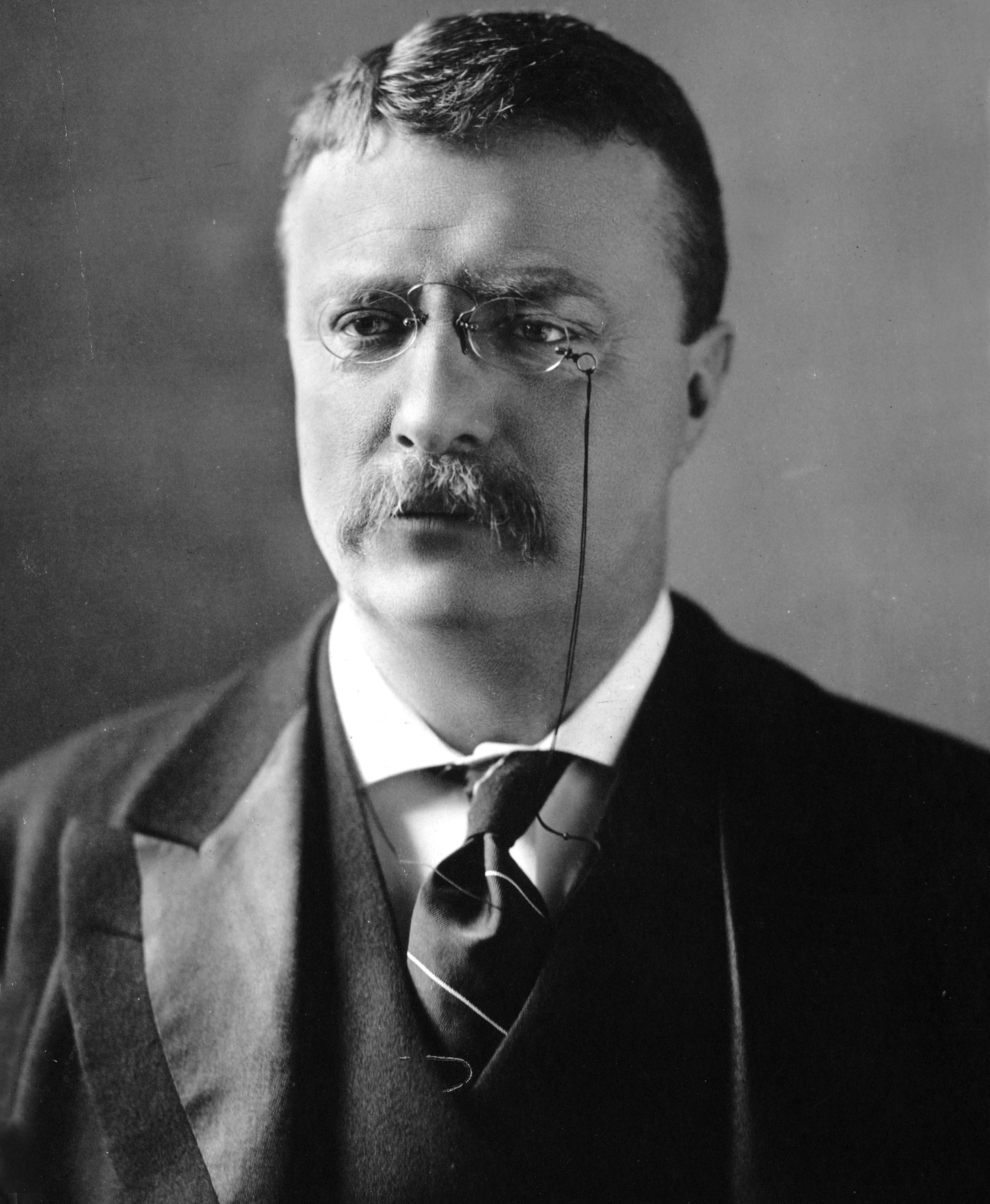
a. Theodore Roosevelt grew up an ill child with asthma problems; therefore, fueling his passion towards dangerous sports. Coming from a wealthy family who taught a life of service he developed his political ethics by supporting the working class. He also used his wealth to support the Rough Riders, a volunteer unit, in which they received the best uniforms and guns.
b. A major legislation was the square deal which helped establish a program to help the needy and poor. He also established the FDA, the food and drug administration, which helped sanitary reasons.
c. Goal was to help the poor and needy with different programs. Against companies and more towards helping the workers. Against companies taking over the government or having too much power.
Eugene V. Debs
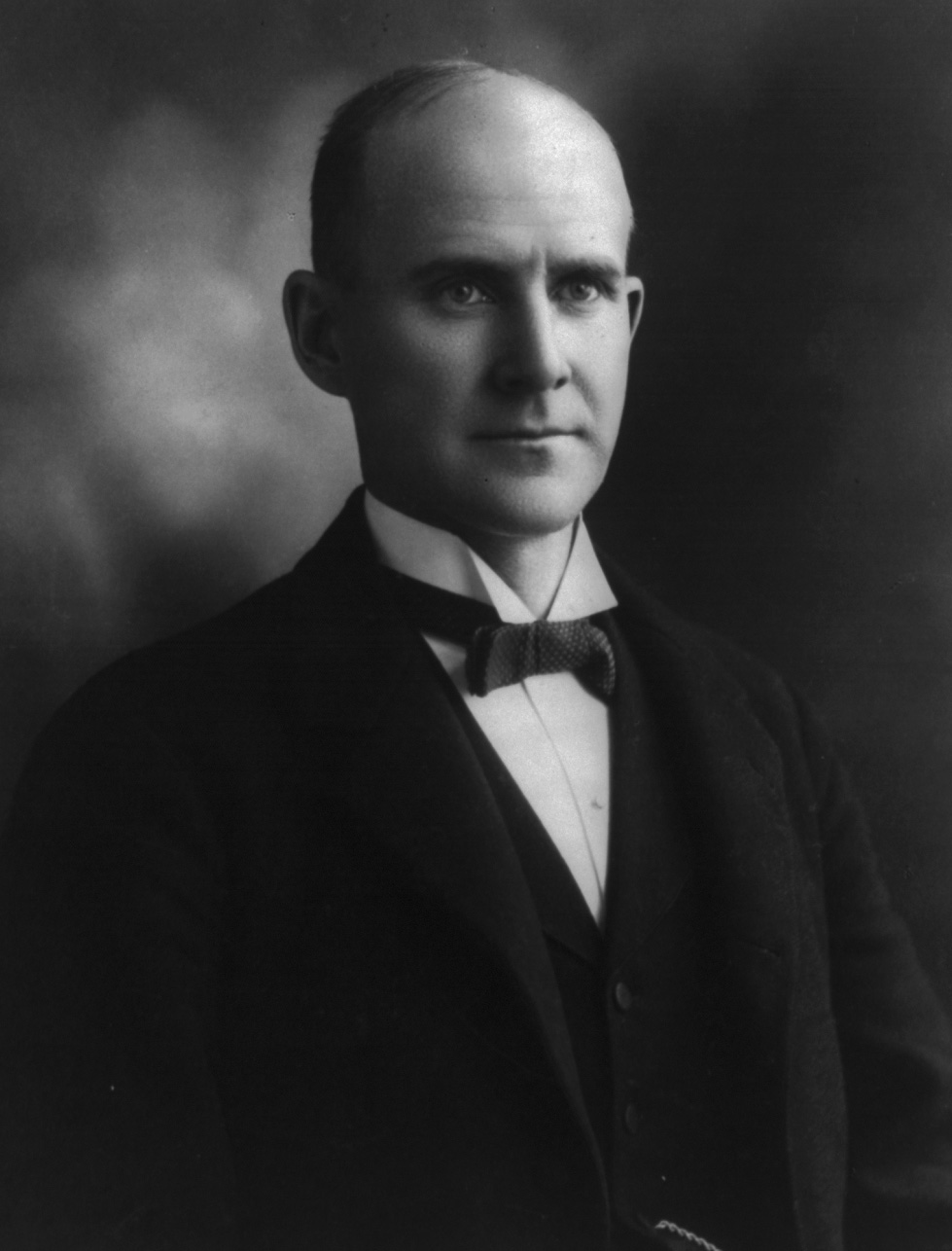
a. His parent were German immigrants who struggled financially but had accumulated intellectual wealth. Debs excelled in aademic and loved reading Les Miserables and having book discussions with his family. Debs experienced the dangers of the Pacific Union Railway at the age of 17 because immigrants at that time were unable to attend college.
b. In becoming a union activist, he helped form the American Railway Union which gained popularity. With the ARU the Great Railway Strike, known as Debs Rebellion in the newspaper, was a string against George C. Pullman and his unfair company policies. Debs was arrested for inciting a riot when in fact he was for a peaceful protests. During WWI, Debs delievered speeches against WWI and Wilson which inevitabley caused the enforcement of Sedition act against him.
c. Debs started as union activist and his goal was to help develop better conditions for workers. He became a socialist after being imprisoned and ntcing big corporations control American. He believed if the government controlled and managed corporations and railroads, workers would have better working conditions and the America will be truly great.
John D. Rockefeller

a. Rockefeller lived a decent childhood as middle class family who moved to Ohio to farm. Religion became an important aspect of Rockefeller's life and shaped his decisions. He completed college early by emersing himself in his studies and then his job eventually climbing up to the highest position and taking a risk to start his own business.
b. By slowly gaining a monopoly in the oil industry with company Standard Oil he began to realize the importance of controlling the means of production. He also did predatory pricing by lowering the prices of products so low that the competition went out of business. After the government forced the company to divide into smaller businesses you fought to keep unions out.
c. Rockefeller thought with hard work was the only way a worker could rise to the top just as he had. He was a philantropist giving to churches and different institutions. His goal was to progress the nation with corporate institutions.
Robert La Follette

a. Had a difficult childhood filled with poverty but was the first to attend and graduate college. While working in the District Attorney he fought of coruptions and gained a political career once elected. He felt compassion towards the poor and needy since he experienced it as a child.
b. He passed initiative and referendum in some stated which gave voters a real direct democracy. He became the Wisconsin idea which gave the power of the government back to the people. He filibusterd for 24 hours to attempt to stop the Declaration of War.
c. He was what most called an isolationist. He was antiwar as he campaigned and gave several speeches. He broke up several monopolies and anything he felt was corrupt.
Ida Tarbel

a. Tarbel came from a hard working family whose oil well was taken away by Standard Oil Company. She was a top student and was the first women to attend and graduate college. She gained interest in writing and became known as a muckracker.
b. She wrote a biography about Lincoln in whcih she gained fame for her writing skills. She also wrote "The History of the Standard Oil Company" about Rockefeller and his corruptions. A success in which Standard Oil Company was considered a monopoly and broken into small companies. b
c. She attempted to reform the nation the journalism. She used facts to fight off corruptions and monoplies. Her goal was to use facts while respecting the individual and get the truth known.
Woodrow Wilson
b. She wrote a biography about Lincoln in whcih she gained fame for her writing skills. She also wrote "The History of the Standard Oil Company" about Rockefeller and his corruptions. A success in which Standard Oil Company was considered a monopoly and broken into small companies. b
c. She attempted to reform the nation the journalism. She used facts to fight off corruptions and monoplies. Her goal was to use facts while respecting the individual and get the truth known.
Woodrow Wilson
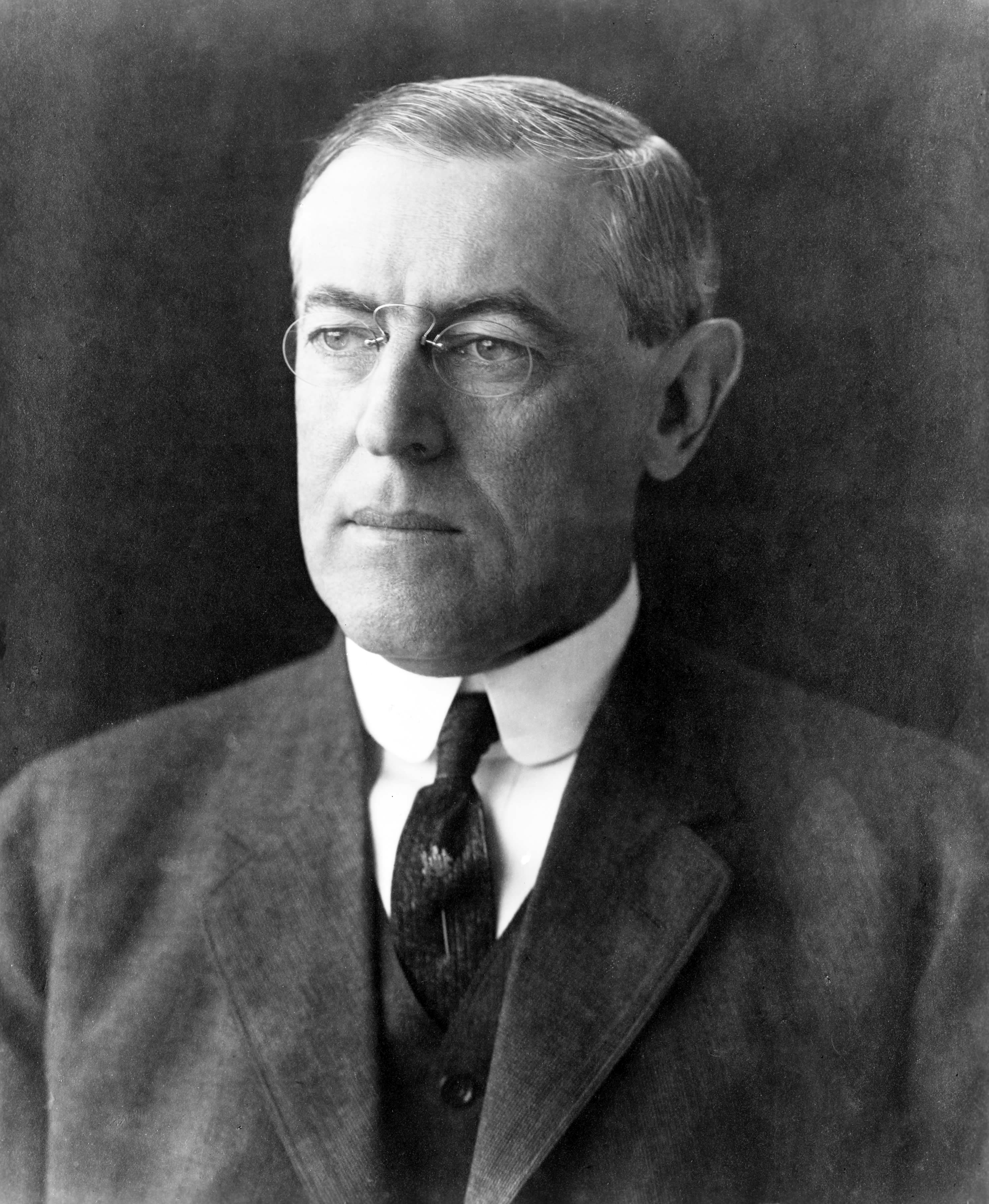
a. Wilson began in a library with an intense love for books and knowledge. He graduated from a top university and rose to the top from student to president of the university. He created the theory of Moral Internationalism.
b. As a president he passed the Sedition Act and Espionage Act during WWI. Wilson tried to ratify the Treaty of Versailles with the creation of 14 Points. He also tried to create The League of Nations which was a democracy of the world.
c. Roosevelt ideals followed the theory of Moral Internationalism. He thought the U.S. is a world power and should help other countries. The ideas of the U.S. as world power was very prominent and thought the U.S. would solve poverty.
